
Lev S. Vygotsky zum Geburtstag (17.11.1896 – 11.6.1934)
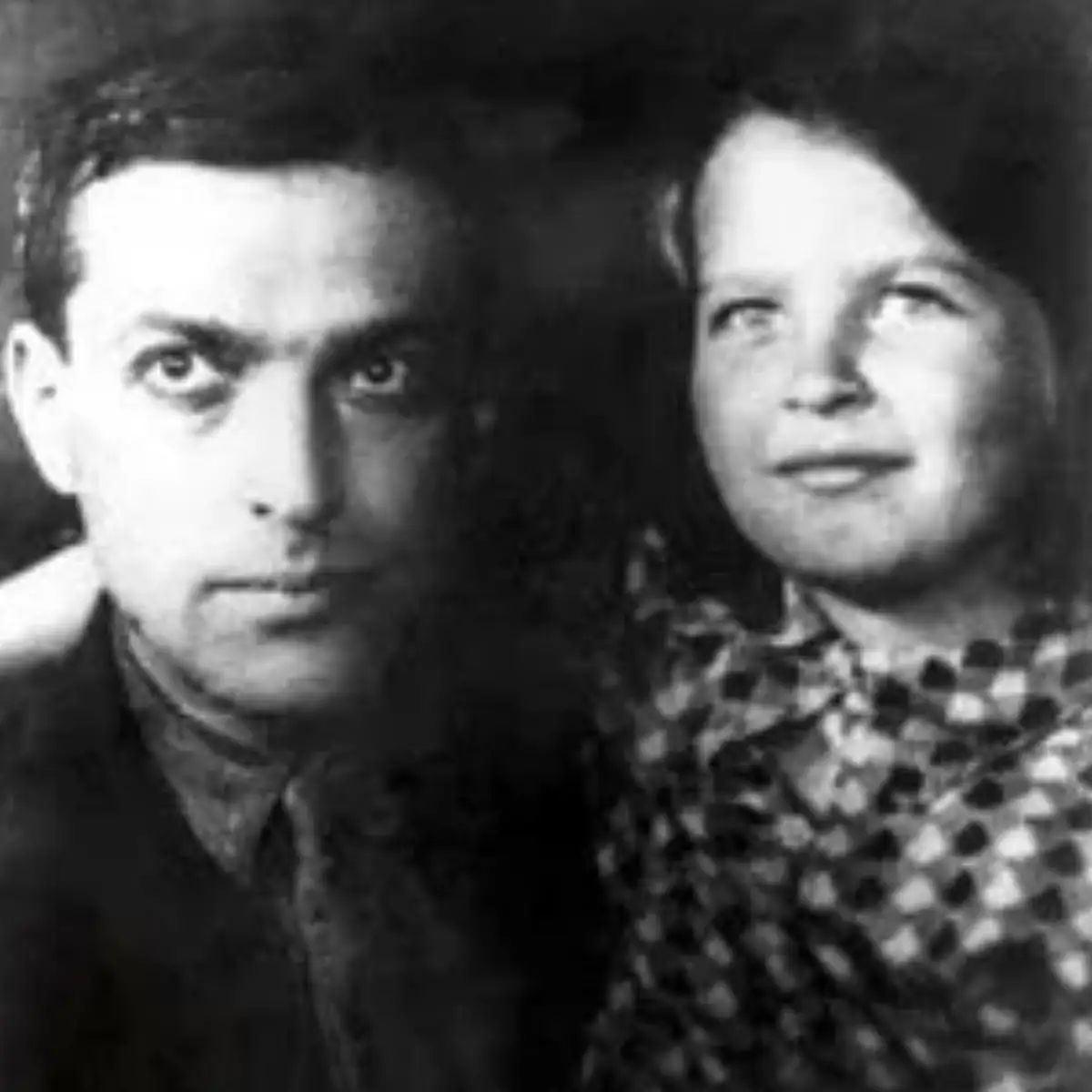
Den Alten hat es immer etwas befremdet, wie Psychologen und pädagoische Ratgeber Begrifflichkeiten Vygotskys wie etwa die ominöse ZPD (Zone of Proximal – oder viel besser Zone of Potential – Development) vereinnahmt haben uhd bedenkenlos in ihr sonstiges Fabulieren integriert haben, ohne jedoch der soziokulturellen Theorie des russischen Psychologen in ihrer Gesamtheit Rechnung zu tragen.
Zum Geburtstag Vygotskys will der Alte deshalb einige Grundprinzipien der soziokukturellen Theorie herausstellen.
In (1998) Psychological Tools: a Sociocultural Approach to Education. Harvard, Harvard University Press. hat Alex Kozulin einige dieser Aspekte beleuchtet.
Er schreibt:
«The true subject of learning is an integrative whole that includes the child, the adult, and symbolic tool provided by a given society.» (p. 3)
Dazu gehören selbstverständlich die Kommunikation und die Interaktion mit anderen Kindern, Familienmitgliedern sowie Freunden aus dem soziokulturellen Kontext. Denn aufgepasst:
«The meaning of one’s own activity is (…) formed by mediation through another individual.» (p. 64)
Es muss betont werden, dass sinnvolles Lernen nicht ohne Umwege, Krisen, Zweifel, Tasten und Verzögerungen verfolgt werden kann:
«Vygotsky perceived psychological development as a process full of upheavals, crises, and structural changes.» (p. 16)
Hauptanliegen der soziokulturellen Lerntheorien ist es, die Kinder stets als Autoren ihres eigenen Lernens zu betrachten:
«(…) to inquire into human psychological life as authoring in potentia.» (p. 145)
Die individuelle Autorenschaft beruht auf einer dreifachen Mediation:
«According to Vygotsky, there are three major classes of mediating agents: material tools, psychological tools, and the human mediator. (…) Material tools do not exist as individual implements; they presuppose collective use, interpersonal communication, and symbolic representation.» (p. 3)
Autorenschaft impliziert produktives Arbeiten, also sinnvolle Tätigkeiten, welche über dem reproduktiven Lernen stehen. Lernen soll durch die Interventionen der Lehrpersonen vorangetrieben werden und neues, zukunftsträchtiges Wissen erschließen:
«Under the dynamic conditions of modernity, the necessity of prospective education becomes obvious. Prospective education implies that students should be capable of approaching problems that do not exist at the moment of their learning. To achieve this capability, students should be oriented toward productive rather than reproductive knowledge. (…) Knowledge should thus appear not in the form of results and solutions but rather as a process of authoring. (…) The student should be involved in „co-authoring“ the fundamental laws and principles of a given field. The focus of learning thus shifts from delivering information to the student to building the student’s learning potential.» (pp. 6, 7, 151, 154)
Lev S. Vygotsky war sein Leben lang an ästhetischen und literarischen Prozessen interessiert, in denen sich für ihn erst eine bedeutungsträchtige Sprache materialisierte.
(Nadeschda Mandelstam erwähnt ihn als Besucher und als Teilnehmer an literarischen Zirkeln in ihren Memoiren ´Das Jahrhundert der Wölfe´.)
Angestachelt durch die noch frischen Erinnerungen an den aufregenden Besuch der Kinder der Jean-Jaurès Schule im Merscher Theater zur Ausstellung über Robert Louis Stevenson, will der Alte den besonderen Stellenwert literarischen Schaffens und Genießens für das kindliche Lernen zusammen mit Alex Kozulin im Sinne Vgotskys hervorheben, denn:
«Literacy is not a technical skill, but a particular cognitive and psychological attitude.» (p. 123)
Literatur wird dann zum Vehikel für das menschliche Streben nach Wahrnehmung, Erkenntnis und Verständnis, welche wesentliche Komponenten menschlichen Strebens und Lernens sind:
«(…) more attention should be paid to the literary creative process as a paradigm of human understanding. Literature should be used not only as a source of information, images, and ideas but also as a specific method of representation and thinking.» (p. 140)
In Mersch haben die anwesenden Kinder in diesem Sinne ihre eigenen Texte geschrieben, ihr eigenes Lernen vorangetrieben und ihre eigene Einstellung formuliert. Ähnlich den Autoren der literarischen Werke wurden sie zu Autoren ihres Lernens:
«(…) life as authoring approach. Within this perspective, the entire range of human conduct is perceived as analogous to the process of authoring. Human thoughts, acts, and intentions can be viewed as authoring, and the emerging self can be viewed as an ‘artifact’ analogous to the author of the literary work. As language is potential literature, human conduct can also be conceived of as a potential text. (…).» (p. 149)